MV Barima inquiry hears of GPS and communication problems during Coast Guard rescue
Coast Guard testimony reveals changing coordinates, intermittent GPS problems and lost communications during the MV Barima rescue.

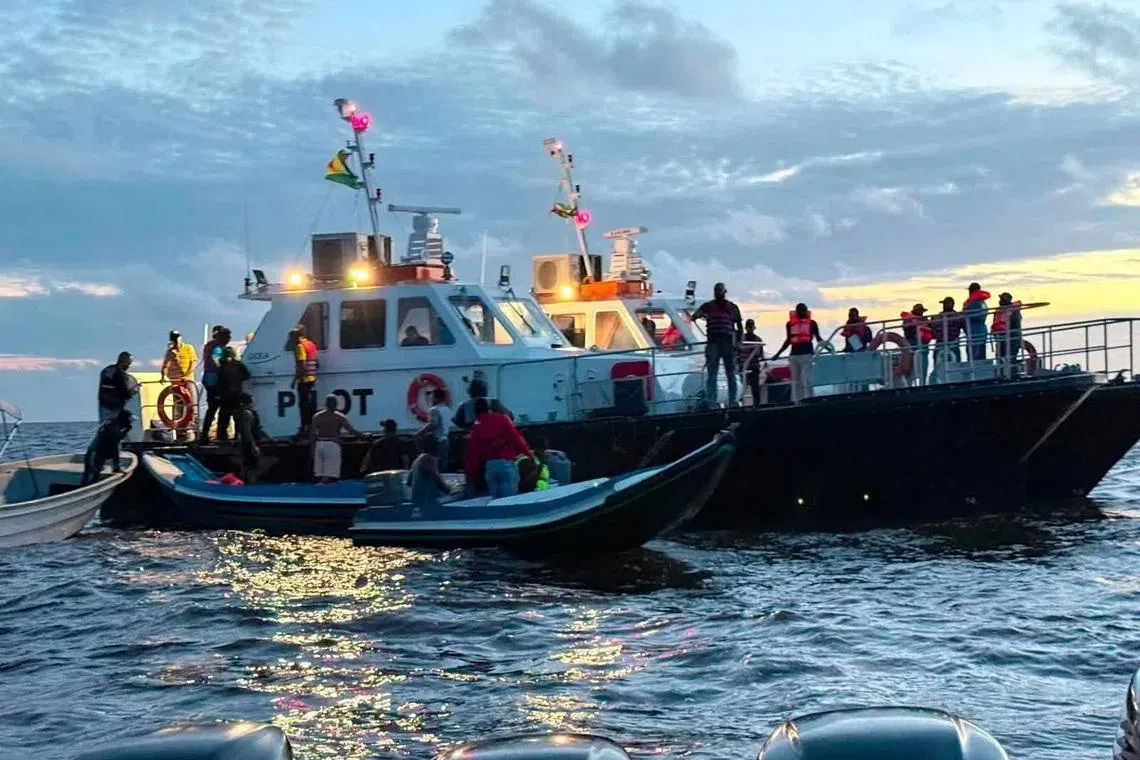
Coast Guard officers told the inquiry that rescuers faced changing coordinates, intermittent GPS problems and a loss of internet communication during the search.
GEORGETOWN — Coast Guard officers have described navigating in darkness with changing coordinates and equipment limitations as they searched for survivors of the MV Barima, in testimony before the Commission of Inquiry on October 15 and 16.
The ferry capsized on the night of July 18 during its voyage from Georgetown to Port Kaituma. The inquiry is examining the circumstances of the sinking and the emergency response.
Changing coordinates and navigation problems
Petty Officer Keon Smith, who led the initial rescue team, told the commission that his crew received different coordinates as the search progressed and had to adjust course repeatedly.
The vessel’s onboard GPS was functioning intermittently, he said, so the team relied on mobile phones for navigation.
Rescuers ultimately located survivors after spotting debris and hearing cries for help in the darkness.
Deployment and loss of communication
On Friday, Midshipman Rahul Ramsarup, who commanded the District Two Coast Guard floating base at Pomeroon, testified that he received a WhatsApp message at about 10:59 p.m. instructing his team to prepare for a search-and-rescue operation.
At 11:07 p.m., he received the distress coordinates and briefed the crew. According to Ramsarup, the team departed approximately 15 to 20 minutes after receiving the coordinates and the order to deploy.
The inquiry heard that 50 survivors were rescued between about 2:00 and 3:00 a.m. on July 19. Ramsarup’s records showed that Coast Guard teams rescued or accounted for 69 survivors and recovered 71 bodies between July 19 and 22.
Contact between the base and the rescue vessel was interrupted after departure when the vessel’s Starlink battery ran out, cutting off its internet connection. Ramsarup said there was no backup communication system on board.
He added that a journey of about two hours in daylight could take up to four hours at night because of limited visibility and the need to maintain a safe speed.
How the distress alert was handled
Earlier in the week, the commission heard that the first satellite distress alert was received at 10:43 p.m.
Aeronautical Information Service officer Tia Valenzuela testified that she sent the beacon coordinates to the Coast Guard via WhatsApp eight minutes later, at 10:51 p.m. The Coast Guard acknowledged the message within a minute, and further information was sent as the response developed.
The beacon’s registration information did not identify it as belonging to the MV Barima, making it more difficult to establish which vessel was in distress.
What comes next
The commission has not issued findings on whether navigation, communication or other operational shortcomings affected the outcome of the disaster.
Coast Guard Commander David Shamsudeen is expected to testify when hearings resume on Monday, October 19.