Democrats take Congress: What it means for Guyana
Democrats win both chambers of Congress. Here is what could change for Guyana.

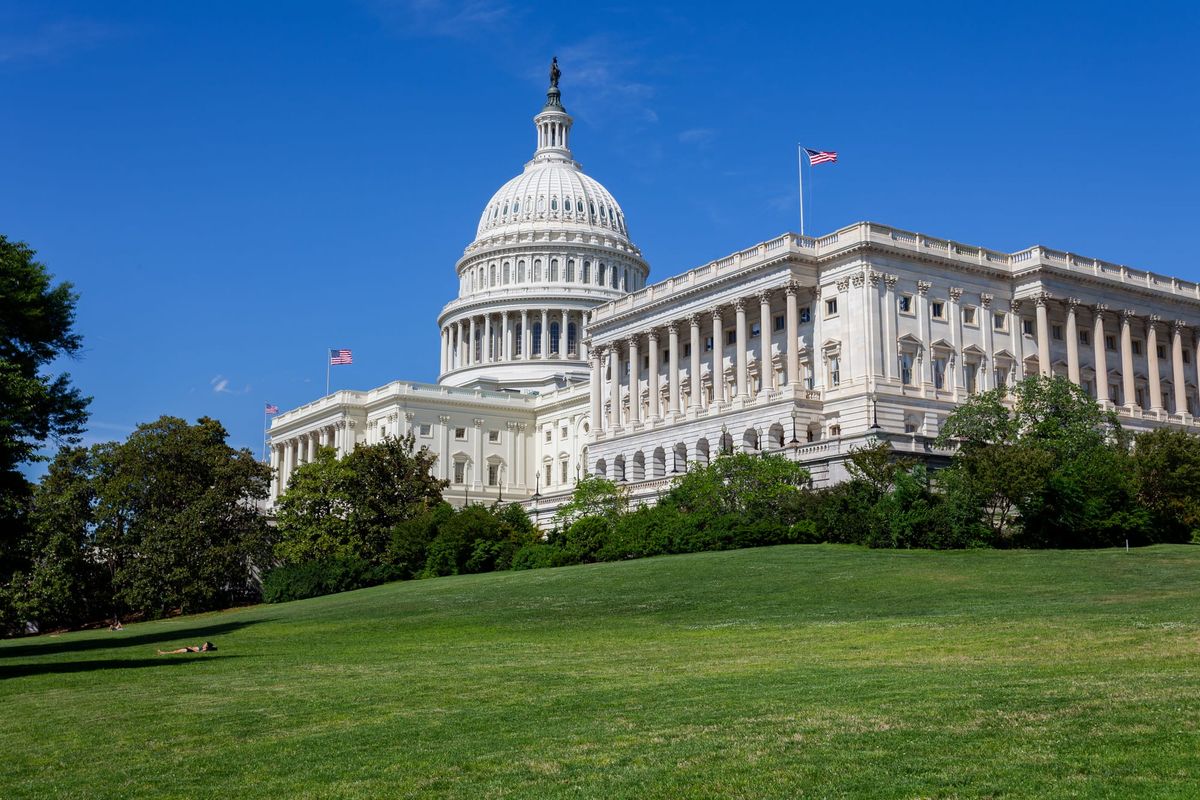
GEORGETOWN — Democrats won control of both chambers of the United States Congress in Tuesday's midterm elections, according to projections by the Associated Press, setting the stage for divided government during the final two years of President Donald Trump's term.
All 435 seats in the House of Representatives were contested, along with 35 Senate races. Democrats flipped at least seven Republican-held Senate seats and made substantial gains in the House. Counting continues in some races, and official certification will follow under individual state procedures. The new Congress takes office in January 2027.
The outcome gives Democrats greater authority to challenge the administration's legislative agenda, conduct investigations and influence federal spending. For Guyana, however, the change does not automatically mean a shift in US foreign policy.
Why Congress matters
Congress writes federal laws, approves government spending and has broad authority to investigate and oversee the executive branch. The Constitution also gives Congress powers over foreign commerce and naturalisation.
The Senate has additional responsibilities, including confirming senior presidential appointments and considering treaties.
The president and executive agencies continue to conduct diplomacy, administer immigration rules, enforce sanctions and implement trade and security policy within powers provided by law. Congress can nevertheless influence those policies through legislation, appropriations, oversight hearings and, in the Senate, confirmation of senior officials.
What Guyana should watch
Trade is one area of immediate interest. US goods trade with Guyana reached an estimated US$6.6 billion in 2025, according to the Office of the United States Trade Representative.
Congress can legislate on tariffs, trade preferences and other aspects of foreign commerce, although presidents also exercise substantial powers under existing trade laws.
Energy is another important area. Guyana's expanding oil industry has strengthened its commercial relationship with US companies and increased the country's importance in regional energy discussions.
Congress can influence sanctions legislation, agency budgets and oversight of US energy and foreign policy, including policy towards neighbouring Venezuela. The election result itself does not change Guyana's oil contracts or energy policy. Any concrete shift would have to emerge through legislation, funding decisions or executive action.
Immigration also matters to Guyanese families with connections to the United States. Congress establishes much of the legal framework governing immigration and naturalisation, while federal agencies administer visas and immigration enforcement. Democratic control can change which immigration proposals receive hearings and votes, but it does not automatically change visa requirements or anyone's immigration status.
Regional security is another area to watch. Guyana and the United States cooperate on maritime security, defence and efforts against transnational crime. Congress controls funding for the State Department, defence programmes and regional security initiatives, so changes in committee leadership and future spending negotiations could affect the priorities and scale of US engagement with Guyana and the wider Caribbean.
What comes next
Committee leadership, budget negotiations, legislation and congressional investigations will help determine how the new Democratic majorities use their authority.
For Guyana, the practical effects will emerge through specific decisions on laws, spending and policy. Existing US policies remain in place unless changed through the appropriate legislative or executive processes.