Barbados certified for eliminating mother-to-child HIV transmission
Barbados has achieved a major HIV prevention milestone, with no mother-to-child transmissions recorded among 6,352 births between 2022 and 2024.

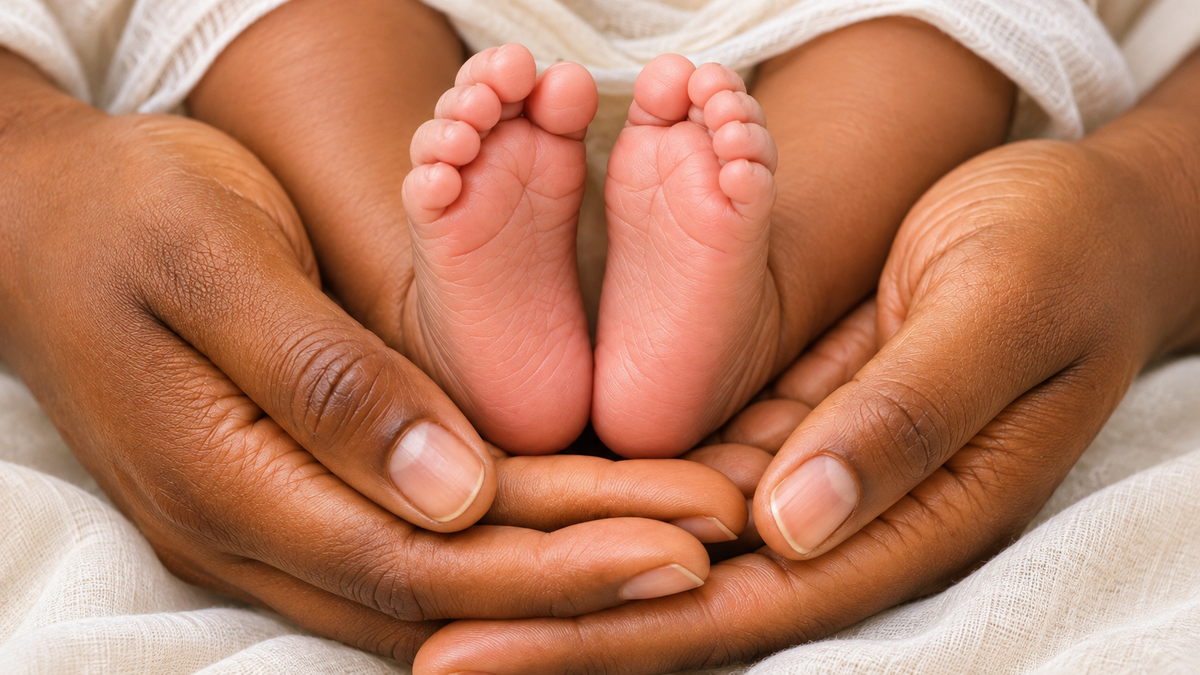
No HIV infections through mother-to-child transmission were recorded among 6,352 live births between 2022 and 2024, the WHO said.
GUYANA.- Barbados has eliminated mother-to-child transmission of HIV as a public health problem, the World Health Organization (WHO) announced on October 30.
The certification follows an independent assessment confirming that the country met global elimination targets. Between 2022 and 2024, Barbados recorded 6,352 live births and no new HIV infections resulting from mother-to-child transmission.
WHO Director-General Dr Tedros Adhanom Ghebreyesus congratulated Barbados on protecting a generation of children from HIV. He said the country had shown what universal health coverage looks like in practice, with free services for every pregnant woman, regardless of nationality, and care that respects her rights and privacy.
Pan American Health Organization (PAHO) Director Dr Jarbas Barbosa said Barbados had shown that elimination is possible when women and children have access to quality health services without barriers.
98 per cent coverage
The assessment found consistently high coverage over the three-year period:
- 98 per cent of pregnant women received antenatal care.
- 98 per cent were tested for HIV.
- 98 per cent of pregnant women living with HIV received antiretroviral treatment.
HIV testing and treatment are free for all pregnant women in Barbados, regardless of nationality, and babies exposed to HIV receive early testing and follow-up care. Queen Elizabeth Hospital accounts for about 93 per cent of births in the country.
HIV testing is voluntary and confidential. The WHO assessment found no evidence of coercive reproductive health practices involving women living with HIV.
UNICEF Regional Director for Latin America and the Caribbean Robert Benes said the certification means that, in Barbados, an HIV diagnosis during pregnancy no longer has to mean transmission to a child.
Three decades of work
Senior Medical Officer of Health and HIV/STI Programme Manager Dr Dale Babb said the achievement followed more than three decades of work. Barbados launched its programme to prevent mother-to-child transmission in 1995, after international research showed that the antiretroviral zidovudine, known as AZT, could significantly reduce the risk of transmission.
According to Babb, HIV testing among pregnant women rose from 40 per cent in 1993 to 89 per cent in 2004, reaching 98 per cent in 2025. Specialised care for people living with HIV is provided at the Ladymeade Reference Unit.
A regional trend
Barbados joins 26 countries and territories recognised by the WHO for eliminating mother-to-child transmission of HIV, syphilis or hepatitis B, or for being on track to do so. Fifteen are in the Americas, the most of any region.
Recent certifications in the region include The Bahamas and the Turks and Caicos Islands in 2026, Brazil in 2025, and Jamaica and Saint Vincent and the Grenadines in 2024.
Maintaining the status
Elimination as a public health problem does not mean HIV has disappeared from Barbados. To keep the certification, the WHO said the country will need continued investment, updated guidelines, stronger health information systems, expanded HIV and syphilis testing, and improved follow-up for women and children.